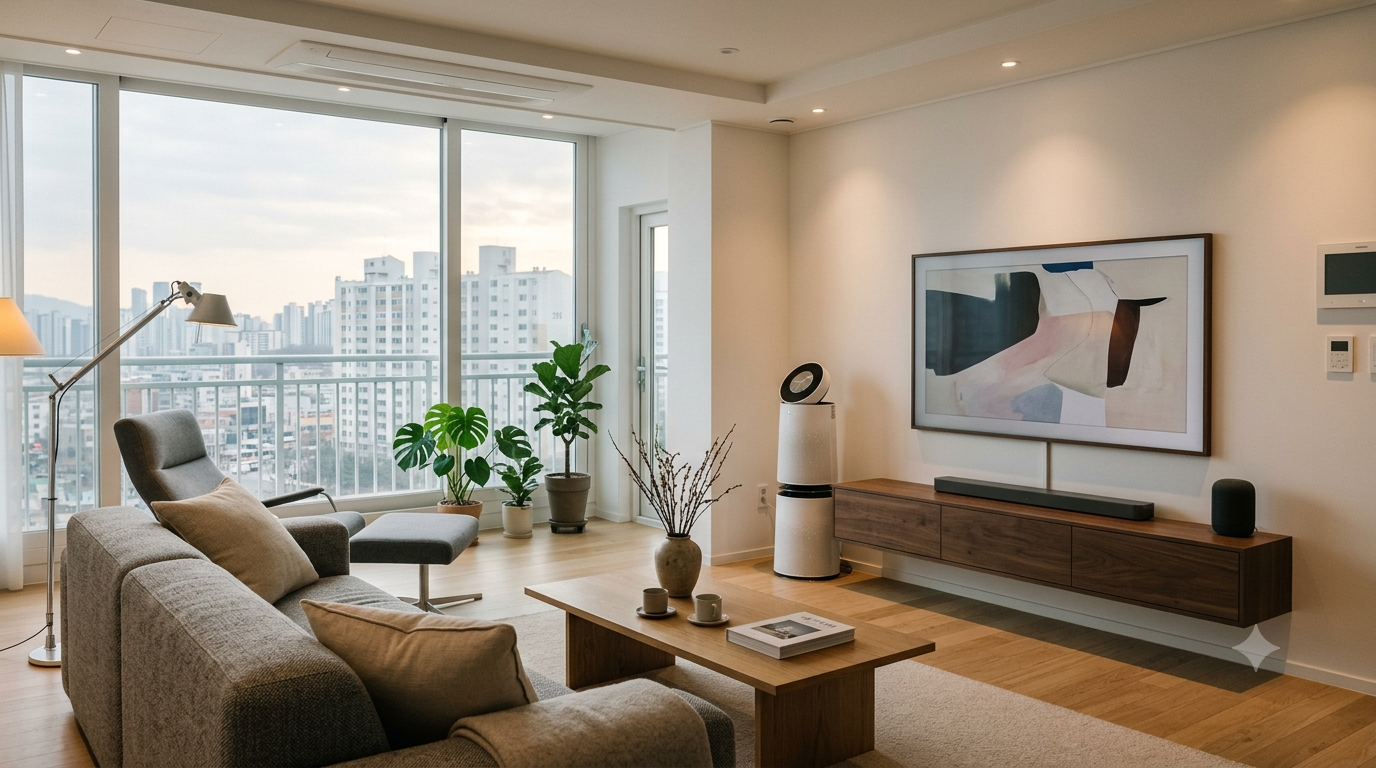
Hey everyone! Welcome back to my blog. As a senior studying computer science and living in a modest apartment, I spend way too much time thinking about how technology fits into our daily routines. Lately, I've been fascinated by how South Korean tech giants are approaching the home. While many global brands focus purely on raw specs, Korean companies seem obsessed with how devices actually feel and interact in a real living space. Today, I want to break down what makes their philosophy so unique and where this whole smart home movement is heading.
Smart Home Ecosystems
When we talk about modern appliances, we are no longer just talking about a fridge that keeps food cold or a washing machine that spins clothes. We are talking about complete ecosystems where every device communicates behind the scenes. In Korea, living spaces in major cities like Seoul are often compact apartments. Because space is limited, people value efficiency and seamless integration. This environment naturally forced companies to design products that work together rather than existing as isolated islands. Instead of asking you to open five different apps on your phone, these ecosystems aim to create a background layer of convenience that you barely notice until you step outside and realize how much you rely on it.
Samsung's Connectivity Focus
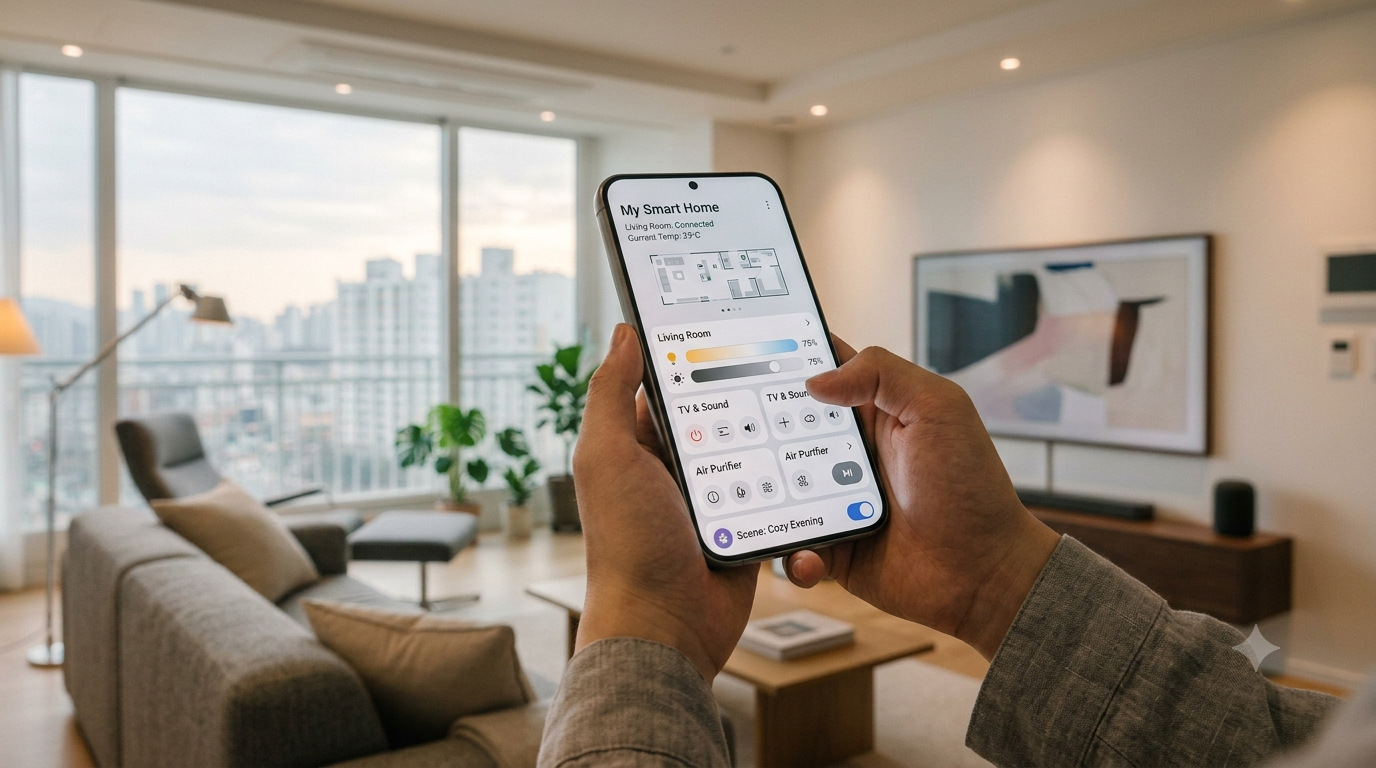
Samsung has taken a very explicit approach centered on hyper-connectivity through its SmartThings platform. Their main philosophy seems to be that everything with a plug or a battery should talk to each other. Whether it is your TV displaying a notification that your laundry is done or your refrigerator suggesting recipes based on what is stored inside, the focus is on building a giant network. What I find interesting is that they do not just limit this to expensive flagship items. They have been pushing to bring standard connectivity protocols like Matter into budget-friendly devices too. It feels like an engineering-first mindset where the goal is to create the ultimate web of hardware in your home.
LG's Customer-First AI Philosophy
On the other side of the spectrum, LG approaches the problem from a slightly different angle. They often talk about "Affectionate Intelligence" rather than just artificial intelligence. While that sounds like a marketing phrase, the actual implementation focuses on subtle human habits rather than constant screen notifications. For example, instead of asking you to configure complex schedules, their machines learn when you usually run the dishwasher or how cold you prefer your living room on hot afternoons. The goal here is less about giving you a dashboard to control everything and more about making the appliances adjust themselves quietly without asking for your attention. It is a thoughtful approach that resonates well with people who get overwhelmed by too tech-heavy interfaces.
Real Home Usability Comparison
So how do these two philosophies actually play out when you put them in a real home? If you are someone like me who loves customizing settings, tweaking routines, and seeing data graphs about energy consumption, Samsung's approach feels like a playground. You can set up custom automation rules that trigger lighting and climate controls whenever your phone gets close to your front door. However, if you share an apartment with roommates or family members who just want things to work without reading a manual, LG's intuitive design often wins out. Their physical controls and subtle automated tweaks mean anyone can walk up to a machine and use it without feeling like they need an IT degree.
Future Outlook for Korean Tech
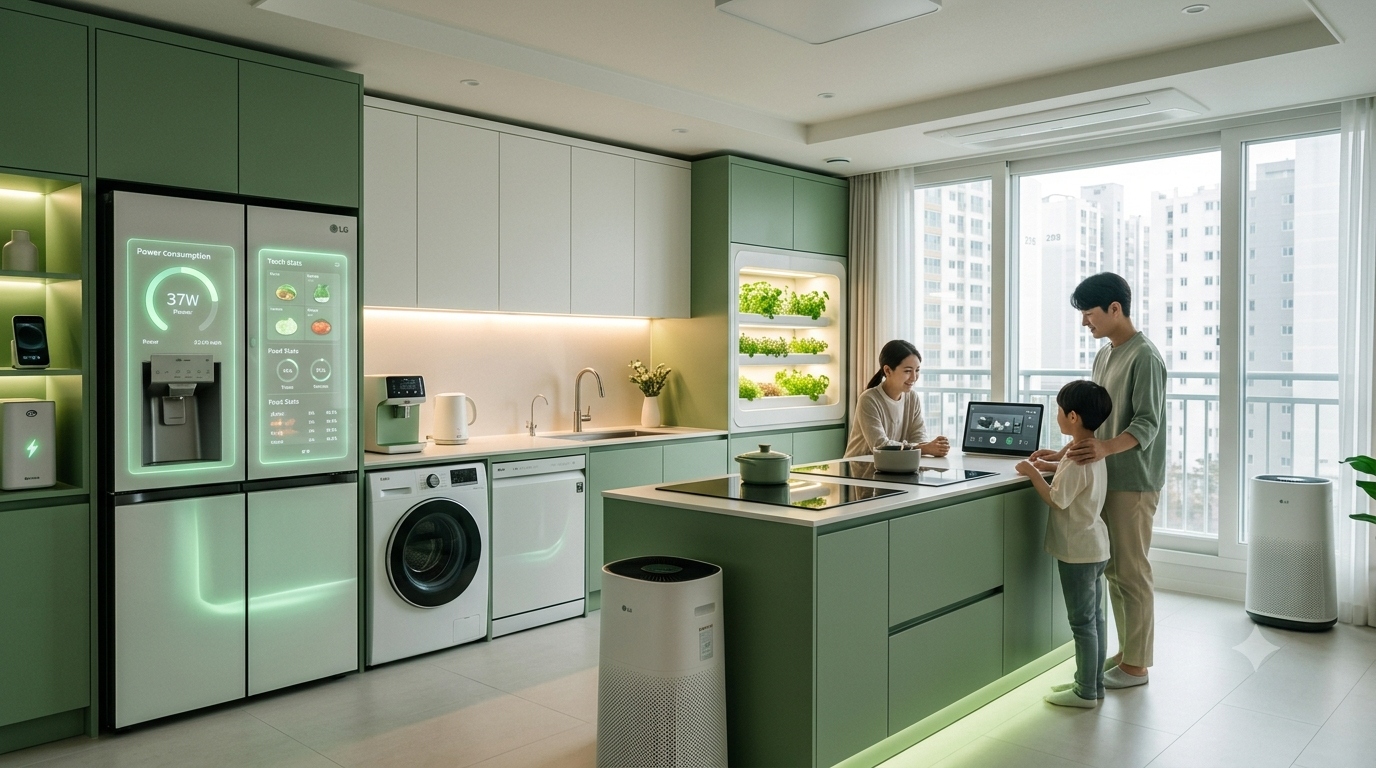
Looking ahead, I think the next big shift for Korean tech will be moving away from reactive appliances to proactive companions. We are already seeing early concepts where home devices monitor energy grids in real-time to run heavy cycles during off-peak hours, saving money automatically. Beyond that, health tracking integrated into everyday items—like smart mirrors or sleep-monitoring mattresses—is becoming a real priority. Korean brands are in a unique position because they manufacture both the hardware and the software in-house. That level of control allows them to test new ideas faster than almost anyone else in the market.
I hope this gave you a clear look into how Korean tech companies are designing the future of our living spaces. Which approach appeals to you more—total connected control or quiet background automation? Let me know your thoughts in the comments below!