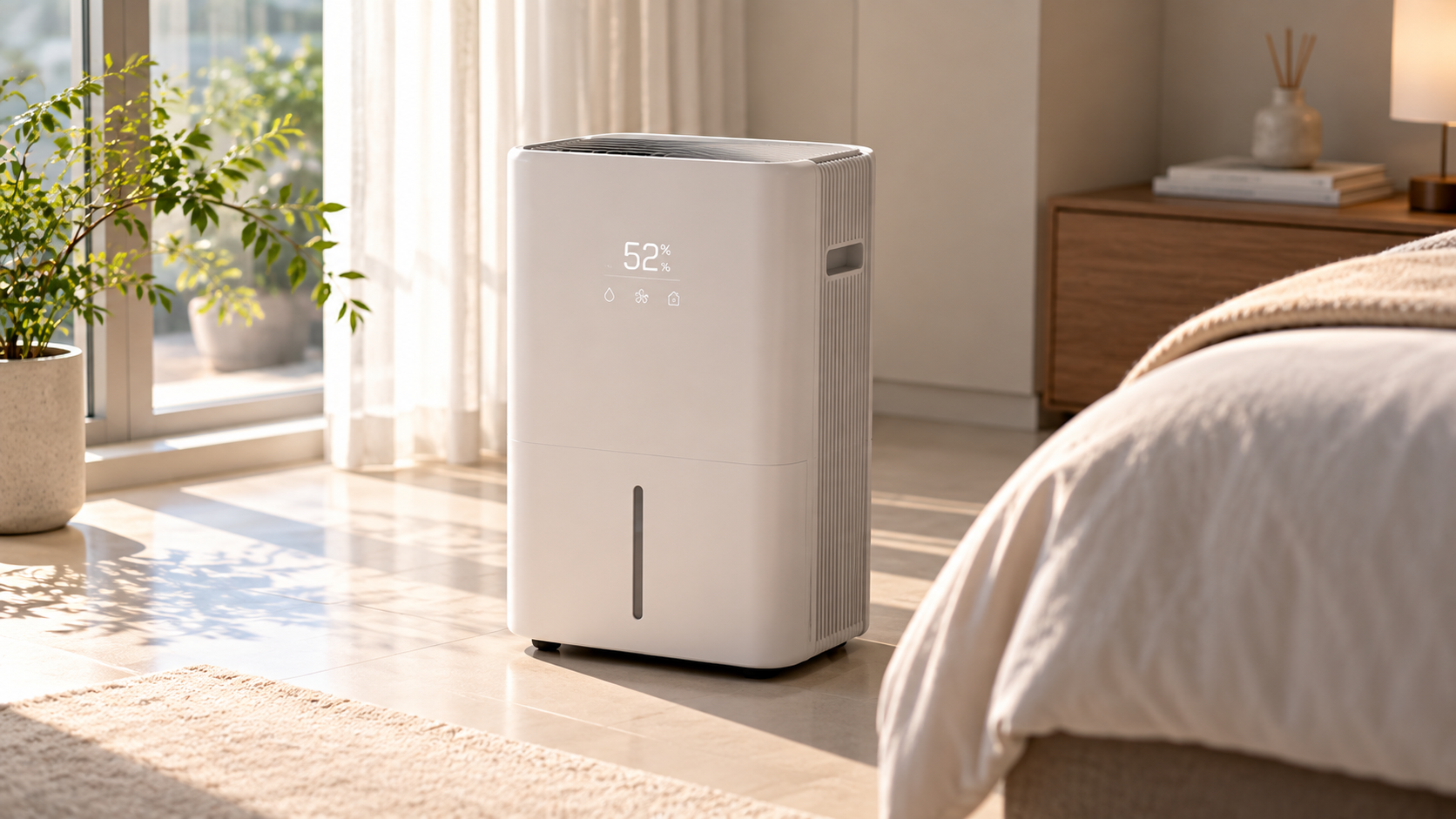
Hey everyone! Welcome back. If you have ever visited East Asia during July or August, you know that summer humidity is no joke. The air can feel heavy and damp, making indoor spaces uncomfortable even when temperature numbers look reasonable. In South Korea dedicated home dehumidifiers are an absolute summer necessity for preventing mold growth and drying laundry indoors. Today let us look at how smart dehumidifiers tackle high humidity.
Korean Humid Summer Climate Prep
During the rainy monsoon season in Korea humidity levels outside regularly top 80 percent for weeks at a time. Simply running an air conditioner cools the air down, but air conditioners are optimized for temperature drops rather than heavy moisture extraction. Dedicated dehumidifiers pull massive volumes of water vapor straight out of the air, keeping indoor relative humidity at a crisp 50 percent where mold spores cannot thrive.
LG Whisen Dehumidifier Energy Efficiency
LG integrated Dual Inverter Compressor technology into their Whisen dehumidifiers. Traditional dehumidifiers ran their motor at maximum speed until the room hit target humidity, consuming a lot of power and making a loud buzzing sound. Inverter compressors automatically scale down motor output as humidity levels drop, conserving electricity while running continuous light moisture extraction in the background.
Winix Smart Sensor Humidity Control
Winix built a strong market presence by focusing on precise sensor automation and affordable reliability. Their smart models feature built-in humidity sensors that constantly sample room air. You can set your desired humidity target on your smartphone, and the machine turns itself on or off automatically. Accessories like shoe drying hoses also allow you to pipe warm dry air directly inside damp sneakers after walking through a summer rainstorm.
Homeowner Reviews on Noise Levels
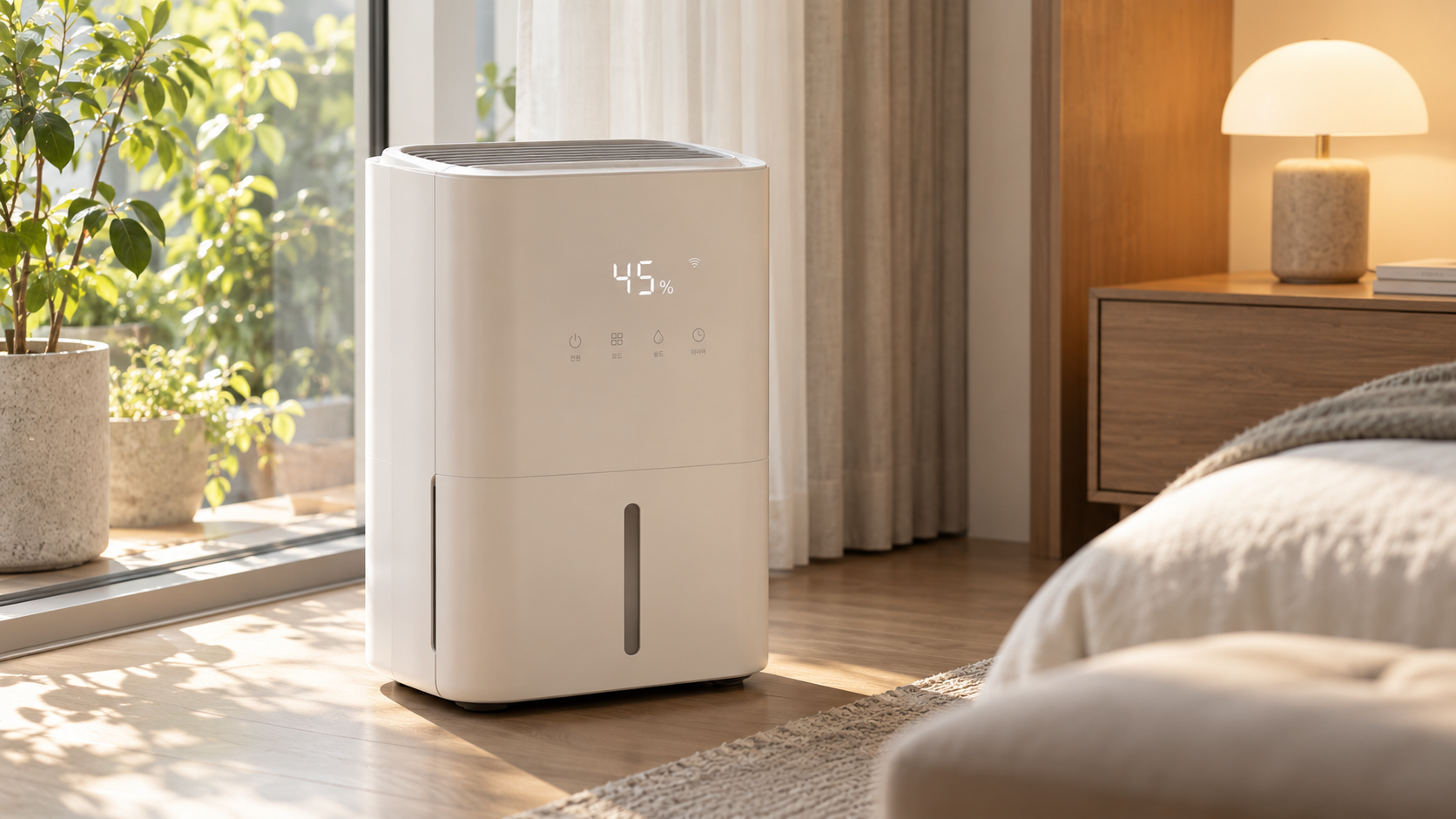
If you read home improvement blogs or apartment owner forums, the main discussion point when choosing a dehumidifier is operating noise and water tank capacity. Older units suffered from annoying compressor vibration. Newer models use dual-cylinder dampening to keep noise levels below 40 decibels, allowing people to run them in bedrooms overnight without disrupting sleep. Users also love continuous drainage hose options that let you route water straight into a floor drain, eliminating the need to empty the bucket manually.
Future Climate Control Automation Trends
Looking into the future dehumidifiers are becoming fully integrated with smart home weather forecasts. Your climate system will check outdoor rain forecasts in advance, starting a proactive dehumidification cycle before humidity sneaks into your home. Integrated humidity control ensures your living space stays crisp, fresh, and mold-free all summer long.
How do you manage summer humidity in your living space? Do you rely on air conditioning alone or do you use a dedicated dehumidifier? Let me know in the comments below!