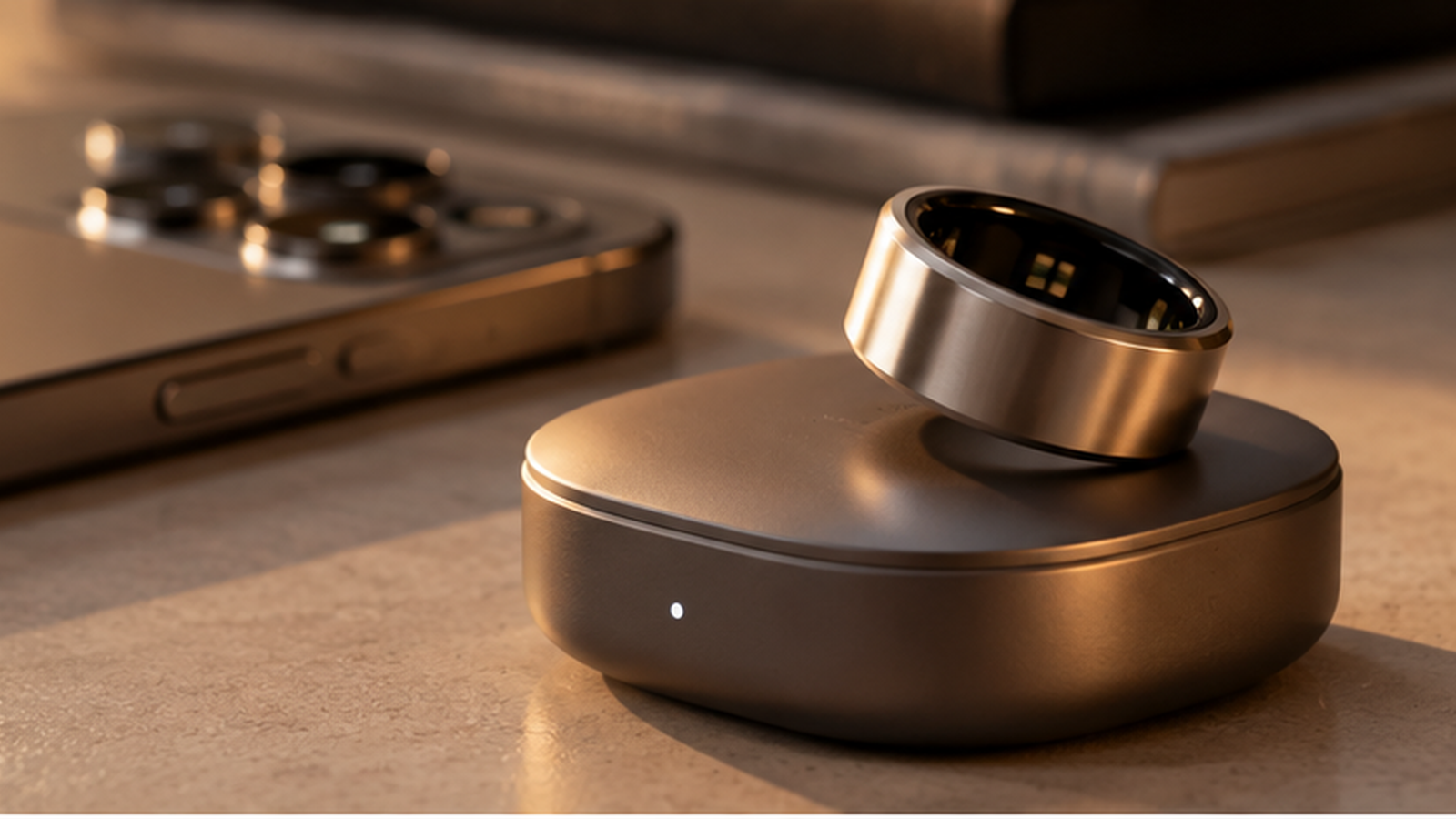
Hey everyone! Thanks for reading. Tracking health metrics like heart rate variability, skin temperature, and sleep quality used to require wearing a bulky smartwatch to bed every night. While smartwatches are great during daytime workouts, many people hate sleeping with a glass screen strapped to their wrist. That uncomfortable feeling drove a major design pivot toward smart rings. Let us talk about how Korean tech brands are approaching ring-shaped health tracking.
Korean Wearable Health Tech Landscape
South Korea has an aging population and a high-tech healthcare infrastructure. Preventive wellness monitoring is a huge focus for both tech companies and medical research institutions. By packing PPG optical sensors, accelerometers, and temperature sensors into a tiny inner ring casing, hardware engineers found a way to track continuous health metrics without bothering users with constant screen notifications.
Samsung Galaxy Ring Form Factor Comfort
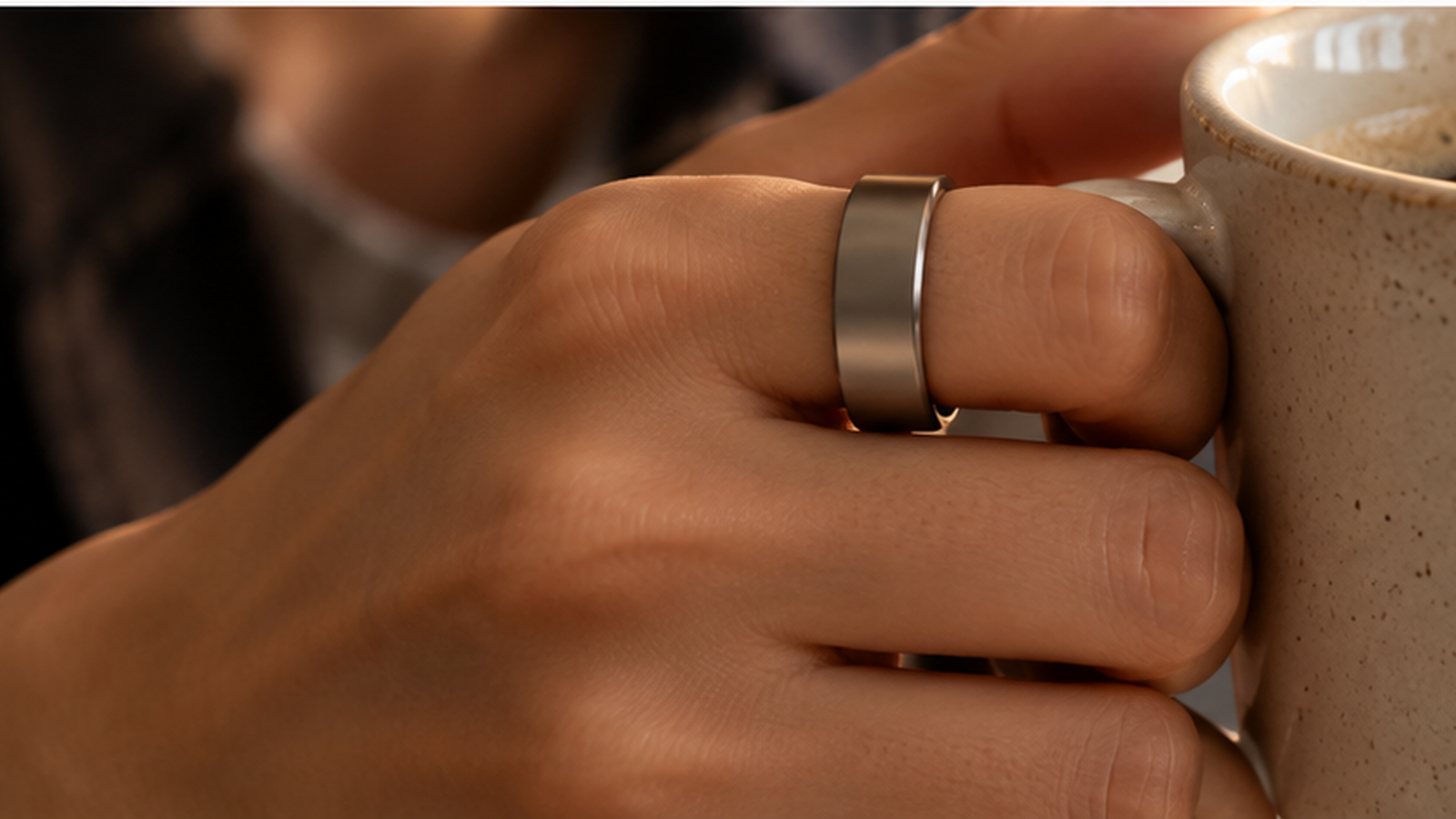
Samsung introduced the Galaxy Ring with a focus on seamless lightweight wearability. Made from lightweight titanium, it weighs less than three grams. Because there is no screen to light up in the middle of the night or vibrate with text alerts, it feels like wearing standard jewelry. A tech blogger noted that switching from a watch to a ring for sleep tracking eliminated night wake-ups caused by bulky watch straps rubbing against bedsheets.
Galaxy Watch Sleep Metrics Integration
Instead of replacing smartwatches, the smart ring is designed to work alongside them. When you wear both a Galaxy Watch during the day and a Galaxy Ring at night, the Health app intelligently routes data collection to optimize battery life across both devices. The ring tracks deep sleep phases, overnight skin temperature changes, and snoring patterns, feeding that data into AI algorithms that score your daily physical readiness.
User Reviews on Daily Battery Endurance
If you check user reviews on tech forums, the biggest positive highlight for smart rings is battery life. Because smart rings do not waste power driving a high-resolution color display, a single charge lasts up to seven days. Users love taking weekend trips without packing another proprietary charger cable. The compact clamshell charging case with built-in battery indicator lights also receives high marks for portability.
Next Steps in Preventive Health Wearables
Looking forward smart rings will likely integrate continuous glucose monitoring concepts and early illness detection algorithms. By tracking subtle baseline shifts in body temperature and heart rate variability over time, your health app could warn you that you are coming down with a cold days before you feel sick, suggesting rest before symptoms hit.
Do you wear a smartwatch to bed to track sleep, or do you find it uncomfortable? Would you wear a smart ring instead? Let me know in the comments below!