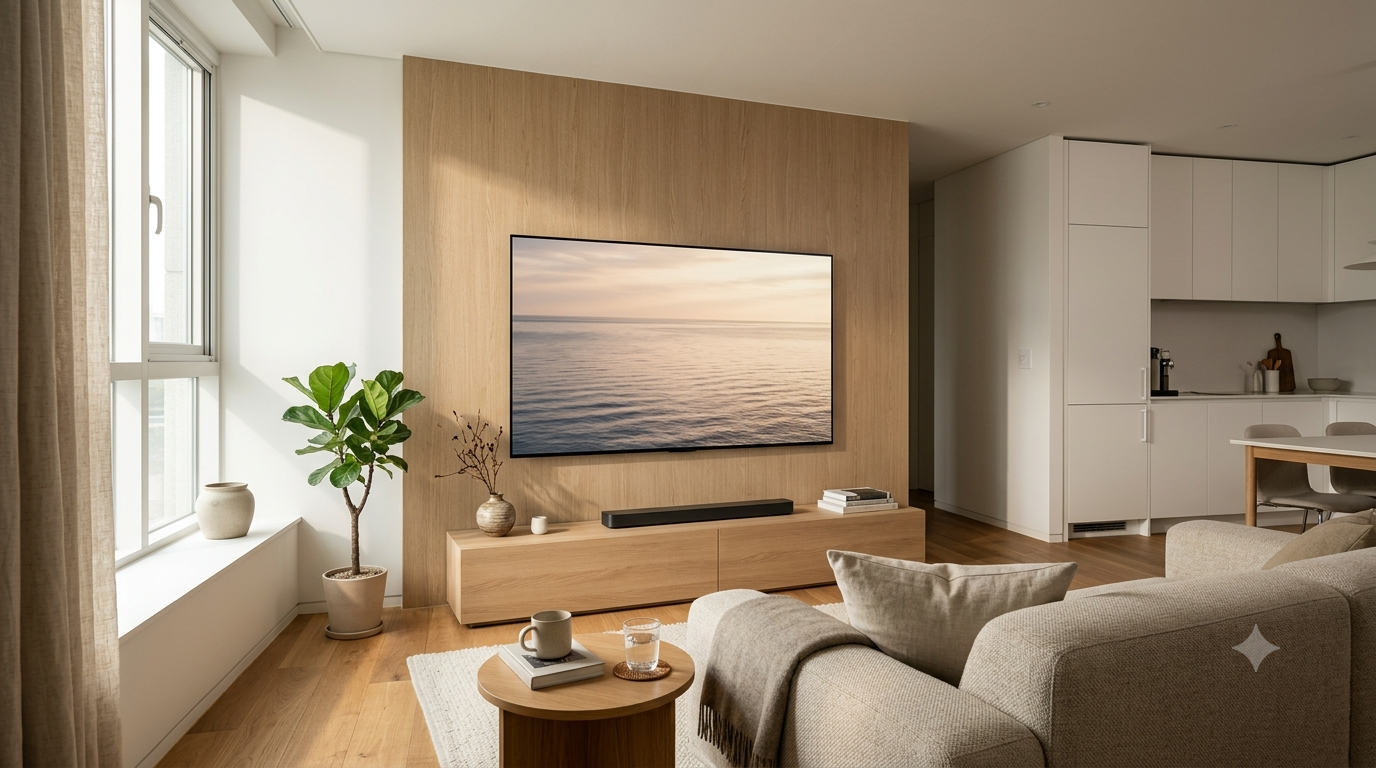
Hey everyone! Welcome back. I am currently finishing up my computer science degree, and during my free time, I love studying how tech fits into our daily routines. Today I want to talk about modern television screens. Living in a world full of displays, it is easy to take them for granted, but South Korean engineers have practically rewritten the rules of how we watch things at home. Let us break down how this happened and why two tech giants took completely different paths to reach the same goal.
OLED TV Innovations in Korea
For a long time traditional LCD screens ruled the market. They relied on heavy backlights that often made dark scenes look washed out and grayish. Korean engineers realized that to build a truly immersive display, every single pixel needed to control its own light. This led to the mass production of organic light emitting diodes, or OLED. Instead of shining a light through multiple layers, OLED pixels turn off completely when showing black. This innovation started right in South Korea and reshaped the global television market over the last decade.
Samsung QD-OLED Color Approach
Samsung took a unique route by merging Quantum Dot technology with blue OLED light sources. They call this QD-OLED. The main idea here is to boost color brightness and color volume without losing accuracy. By passing blue light through quantum dots, the panel produces incredibly pure red and green colors even at high brightness levels. If you enjoy watching animated movies or playing bright video games during daytime in a sunny living room, this bright and vibrant approach feels really impressive in person.
LG WOLED Panel Longevity
LG chose a different engineering path focused on white OLED panels, often called WOLED. Their design uses an extra white sub-pixel alongside red, green, and blue to assist with overall brightness while keeping heat levels down. This approach helps protect the organic materials from wearing out too quickly. Because of this structure, LG built a reputation for panel longevity and burn-in prevention. Their focus was clearly on long term reliability for families who keep their main living room television running for hours every single day.

Smart OS User Interface Design
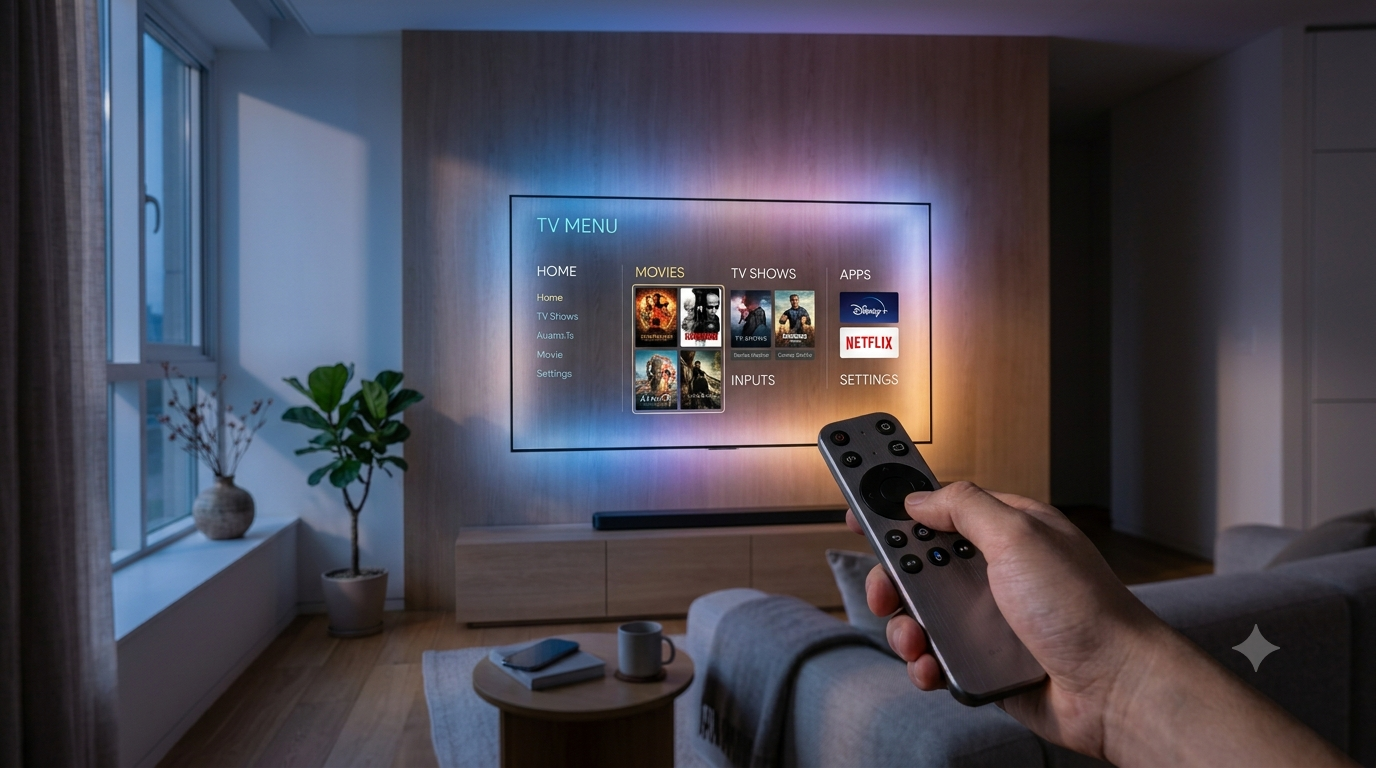
Hardware is only half the story when it comes to living room entertainment. A screen is frustrating to use if the menu system feels sluggish or confusing. Both Tizen OS from Samsung and webOS from LG have evolved significantly over the years. Instead of cluttering the screen with endless text menus, both platforms moved toward card-based layouts and customizable dashboards. They allow you to switch between streaming apps, gaming consoles, and connected smart home devices without interrupting whatever you are watching.
Future Display Market Trends
Looking ahead, the line between a traditional television and a flexible home hub is blurring fast. We are already seeing transparent OLED displays and glare-free anti-reflective coatings becoming accessible to regular consumers. The next major trend seems to be micro-LED and energy efficient panel architectures that consume less power while remaining bright. Korean manufacturers are pushing hard to make these high-end technologies lighter, thinner, and more affordable for standard residential apartments worldwide.
I hope this gave you a solid overview of how Korean display tech evolved! Which approach would you prefer for your own room—vibrant color brightness or long term panel durability? Let me know in the comments below!