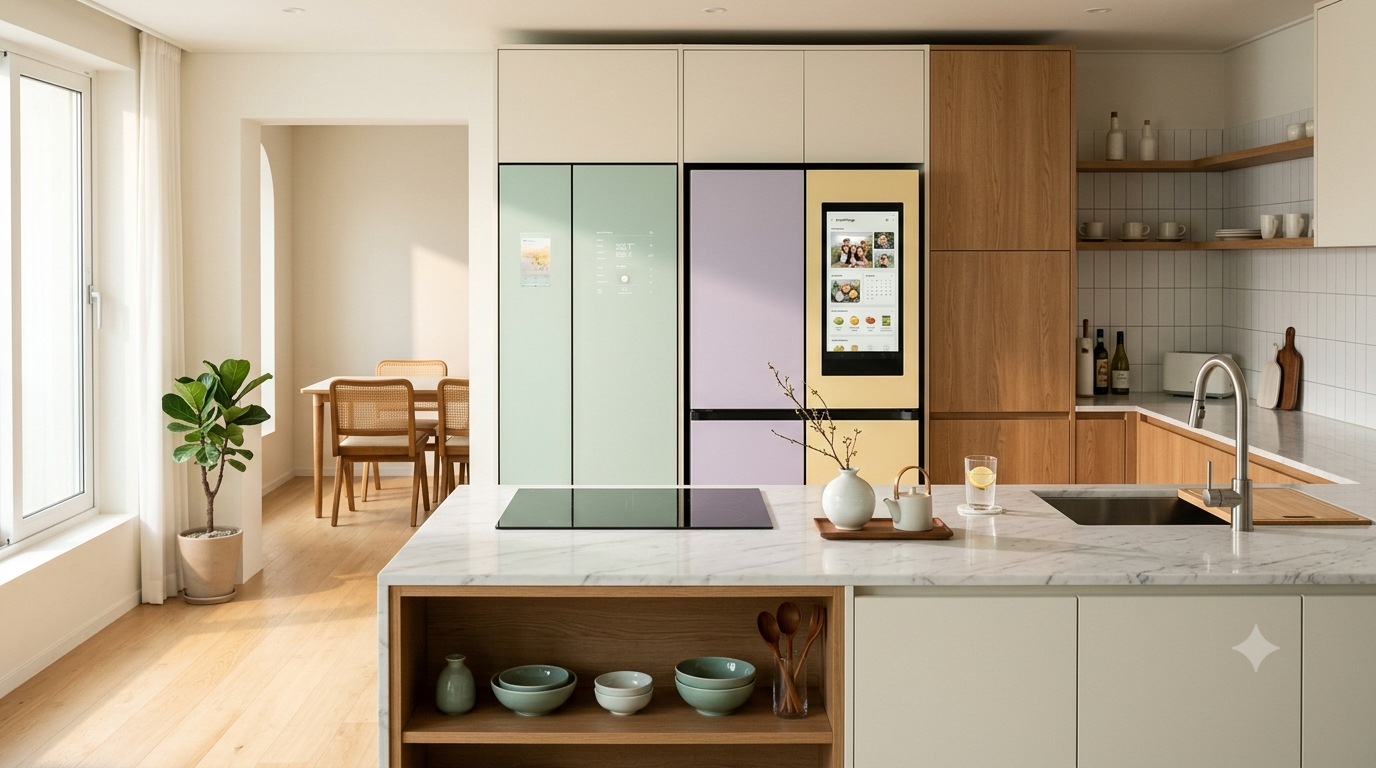
Hey everyone! Thanks for stopping by again. If there is one place in a home where technology often feels clunky, it is the kitchen. Big boxy metal refrigerators used to dominate the room regardless of how the rest of your home looked. But over the last few years, South Korean designers started asking a simple question: why should a refrigerator look like a commercial machine instead of a piece of furniture? Today let us talk about how this mindset changed modern kitchen aesthetics.
Smart Kitchen Ecosystems in Seoul
In high-density cities like Seoul, living spaces need to be both functional and visually clean. The kitchen area is almost always visible from the main sofa in open-concept apartment layouts. Because of this layout, loud or ugly home appliances immediately ruin the peaceful atmosphere of the home. Korean brands realized that appliances needed to blend seamlessly into residential architecture rather than sticking out like heavy metal blocks. This led to a complete redesign of modern kitchen hardware from the ground up.
Samsung Bespoke Modular Customization
Samsung introduced their Bespoke lineup with a heavy focus on personal expression and modularity. Instead of offering just stainless steel or black options, they created swappable door panels in soft pastel shades, matte glass, and metallic textures. The real magic is the modular concept itself. If you live alone in a small apartment, you can start with a single column fridge. When you move to a larger space or start a family, you can buy a matching freezer unit and latch them together smoothly.
LG Objet Aesthetic Living Design
LG responded with their Objet Collection, taking an interior-first design approach. Their philosophy centers on subtle neutral tones that complement natural wood, stone, and calm wall textures. Rather than focusing purely on vibrant color options, LG picked muted earth tones that calm down the overall atmosphere of the room. They treated appliances as architectural elements, hiding display panels behind smooth doors and making sure metal handles flush perfectly with standard kitchen cabinetry.
IoT Refrigerator Inventory Management
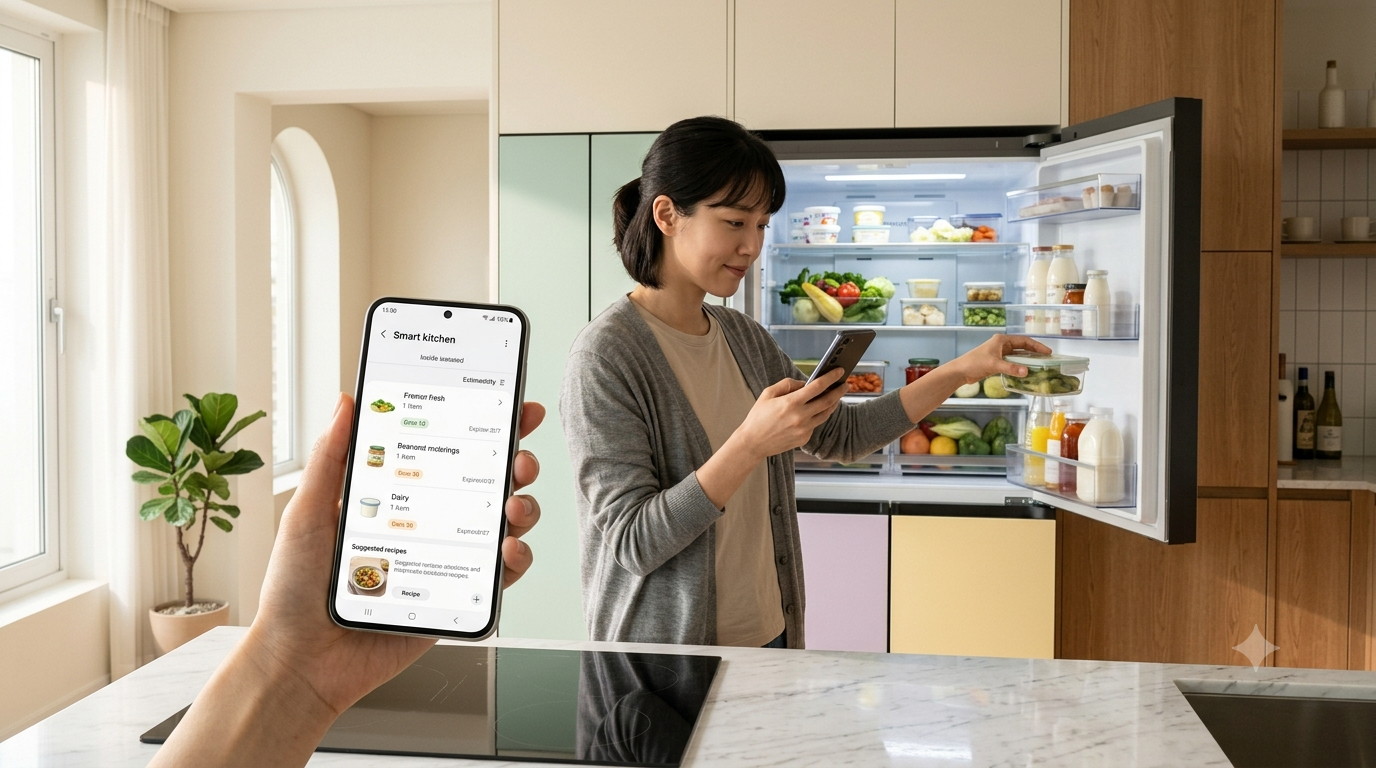
Beyond outer looks, what happens inside the fridge has shifted dramatically too. Modern Korean refrigerators come equipped with internal wide-angle cameras and sensor networks. These systems detect when items enter or leave shelves, helping you keep track of expiration dates on your phone while grocery shopping. Some models even cross-reference your available ingredients with online recipe databases to suggest dinner ideas, reducing food waste without extra planning on your end.
Energy Saving Compression Technology
Behind those sleek doors lies sophisticated hardware designed to run continuously without spiking electric bills. Inverter linear compressors developed in Korea adjust their cooling power incrementally based on how often the door opens. Traditional compressors turn fully on and fully off, consuming spikes of energy every time. By keeping constant low-level operation, these modern systems maintain rock-solid internal temperatures while operating almost silently in compact homes.
Future Culinary Tech Developments
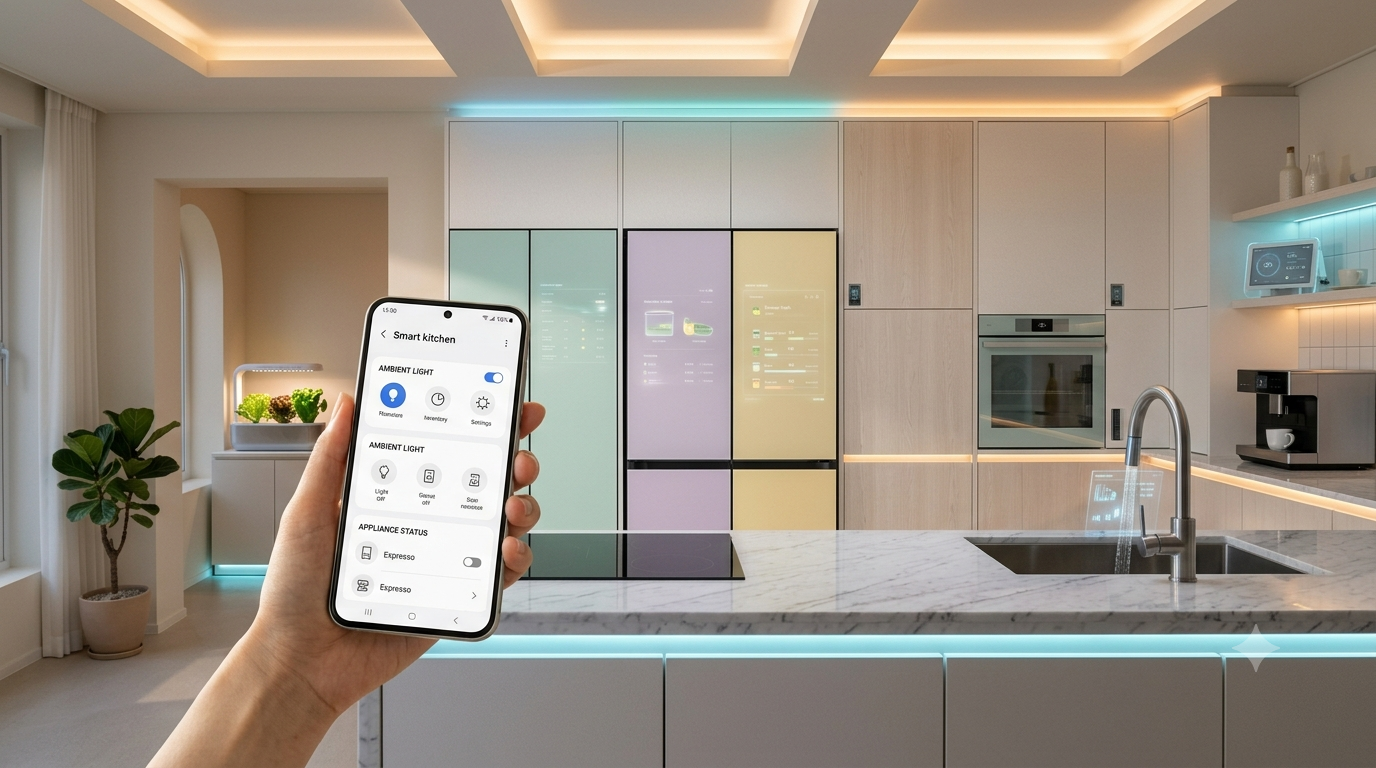
Looking into the near future, kitchen hardware is getting even more integrated with personal health tracking. We are seeing prototypes where smart ovens sync directly with nutritional apps to adjust cooking temperatures for optimal nutrient retention. As smart home protocols unify globally, your refrigerator will soon coordinate directly with your dishwasher and air purifier to manage humidity and food odors automatically across your entire living space.
What do you think about bringing colorful or furniture-style appliances into your own home? Would you prefer Samsung's modular panel style or LG's muted aesthetic? Let me know your thoughts down below!