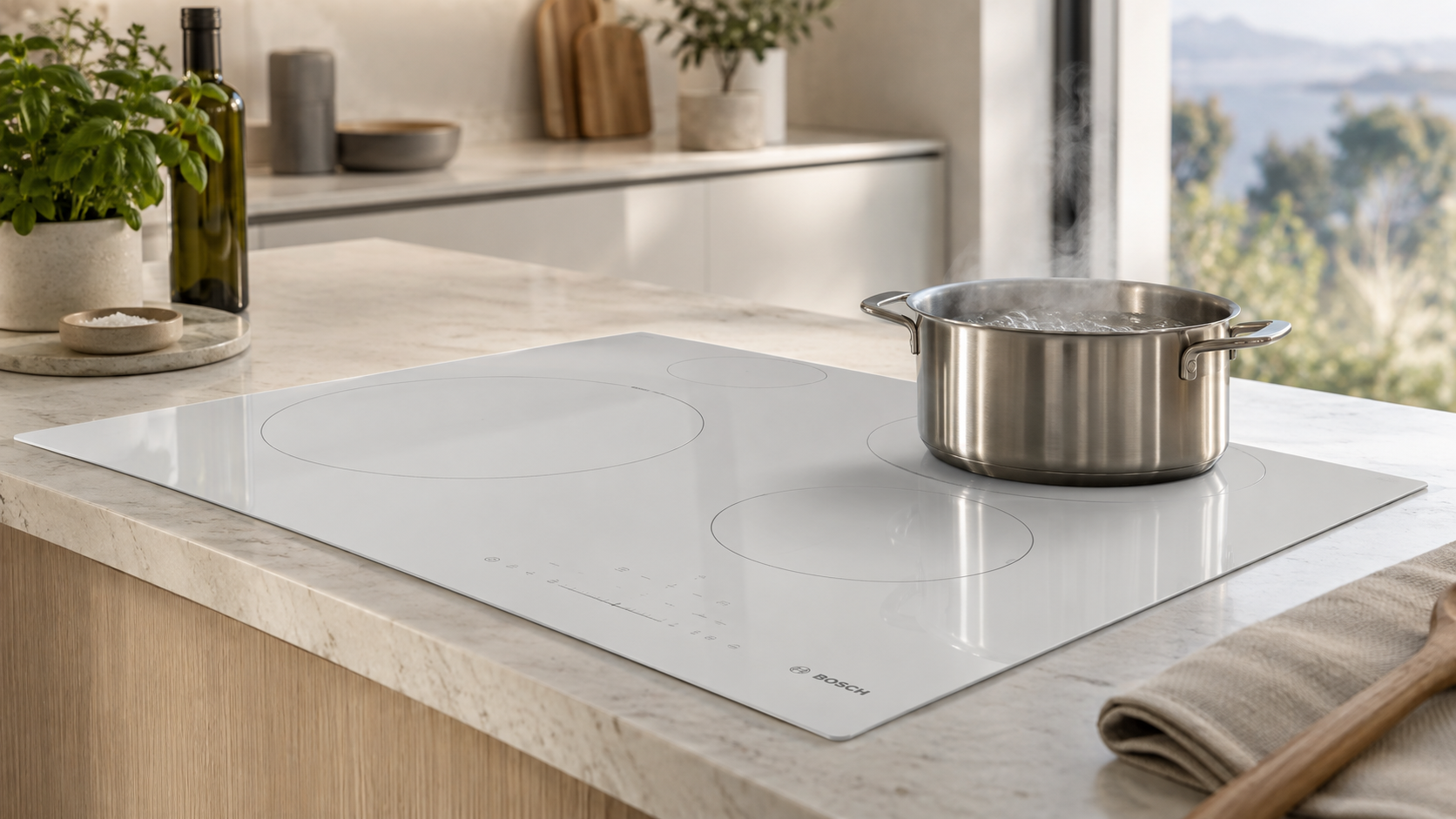
Hey everyone! Welcome back. Cooking food on open gas flames used to be considered the only way for serious cooks to get intense heat. However in recent years indoor air quality concerns and hard-to-clean gas grates led to a massive shift toward smart induction cooktops. Today let us break down why modern induction burners are replacing traditional gas stoves in updated kitchens.
Transitioning Away from Gas Stoves
Gas stoves generate combustion byproducts like carbon monoxide and nitrogen dioxide right inside your kitchen air. Furthermore open gas flames radiate substantial ambient heat, turning small kitchens uncomfortably hot during summer months. Induction cooktops use electromagnetic fields to heat the iron pan directly while leaving the glass surface around the pot relatively cool, making cooking much safer and energy efficient.
Samsung Bespoke Induction Fast Heating
Samsung designed their Bespoke induction lineup with clean white and pastel glass finishes that shatter the idea that cooktops must be utilitarian black blocks. Their high-output coil technology delivers up to 3,400 watts of boost power. This allows you to boil a large pot of water in less than two minutes, which is twice as fast as a commercial gas burner.
LG QuadWash and Cooktop Integration
LG integrated smart connectivity between their induction hobs and kitchen range hoods. When you turn on an induction burner, the wireless sync protocol turns on the overhead range hood ventilation fan automatically, scaling up fan speed based on cooktop power settings. Their precise low-power temperature control also prevents delicate sauces from scorching or boiling over.
Home Chef Forum Reviews on Cooking Speed
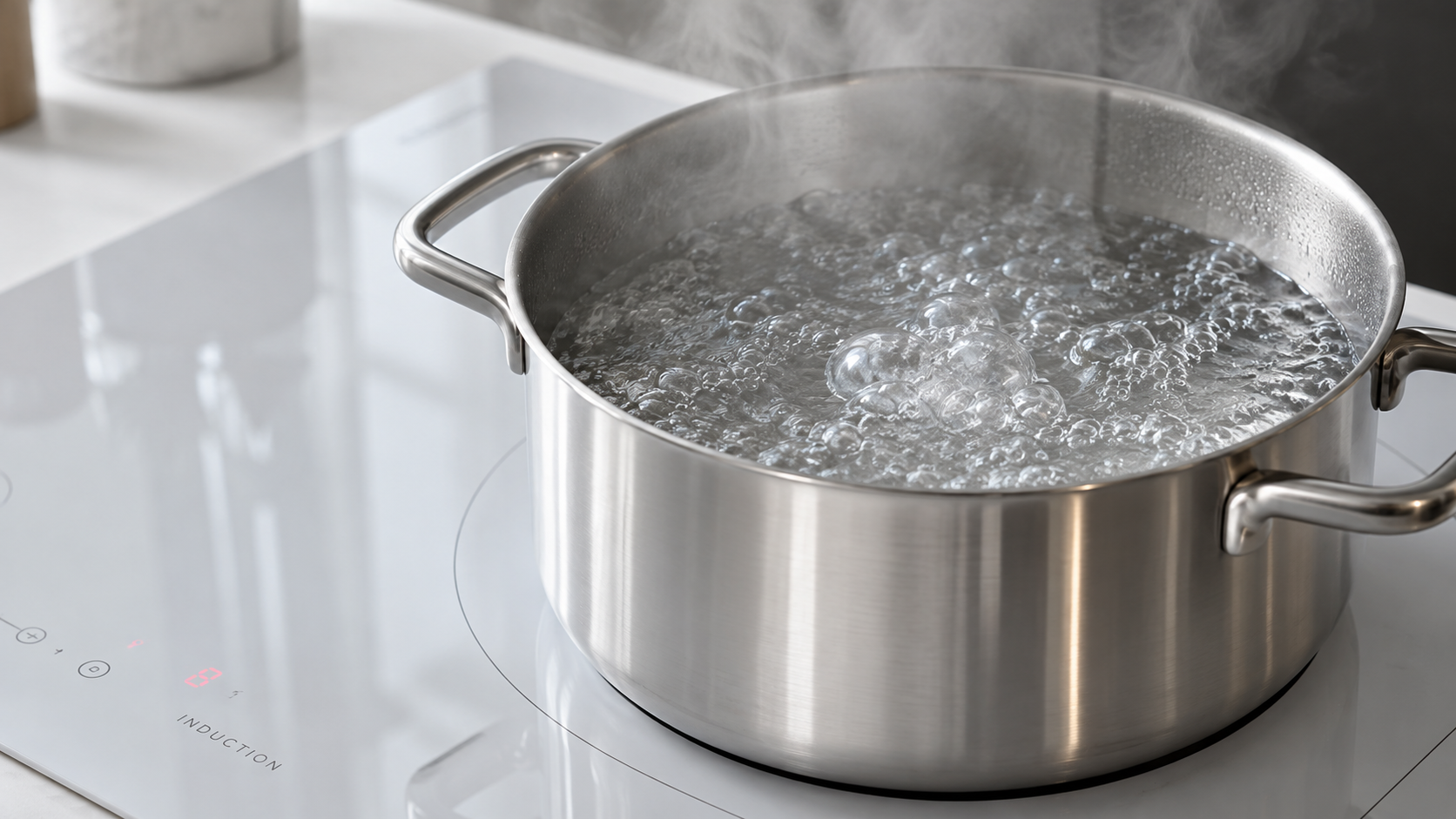
If you read home cooking forums, the number one praised feature of induction is cleanup speed. Instead of scrubbing heavy iron gas grates in the sink, you simply wipe a flat glass sheet with a microfiber cloth after cooking. Home cooks also love the ultra-precise thermal control, noting that holding a low simmer for hours without flame flickering makes cooking rice and stews remarkably consistent.
Future Kitchen Efficiency Design Trends
Looking into the future induction cooktops will feature zone-free cooking surfaces where you can place pots of any shape or size anywhere on the glass sheet. Smart pans with internal Bluetooth temperature sensors will communicate directly with the burner, adjusting magnetic output automatically to maintain precise oil temperatures for shallow frying without smoking.

Do you cook on a gas stove or an induction cooktop? Do you prefer traditional knobs or digital touch sliders? Let me know below!